 |
| https://airportsmstalk.blogspot.com/ |
 |
| Written by Jason L Hamlett CM, ACE, GSP, CPI (4/04/2024 Health and Safety Management Systems for Airports | Facebook |
Runway Incursion
Avoidance Series 2 – (Human Factors) Part 2 is a continuation of part 1 focusing
on the "Dirty Dozens" of airside operations.
The Dirty Dozen was
derived in 1993 from Gordon Dupont’s role as Special Program Coordinator for
Transport Canada. Mr. Dupont developed a safety workshop titled Human
Performance in Aircraft Maintenance. In my contribution, I will apply Mr. Dupont’s
12 aircraft maintenance human factors to the air operations area (AOA) environment. I will also
explain each dirty dozen factor and provide associated common errors, followed
by an adequate control measure. The common error can be considered the "lead" into an undesirable event such as a runway incursion.
The Dirty Dozen of airside operations can be explained as 12 human factors that contribute to human errors in the AOA and associated movement area. By understanding each factor, airport managers, supervisors, and foreman can identify when attributes become out of balance and negatively affect airfield safety. For example, not giving enough time to complete a task, or too much pressure to complete a task on schedule can lead to a higher risk of surface incidents.
|
Pressure |
Stress |
Fatigue |
|
Lack
of Communication |
Complacency |
Lack
of Knowledge |
|
Distraction |
Lack
of Teamwork |
Lack
of Resources |
|
Lack
of Assertiveness |
Lack
of Awareness |
Norms |

Common Error: Unrealistic expectations, outcomes, and deadlines.
Example:
An
airport construction contractor has been procured to remove the post snow
season over burden on the taxiway island shoulders. The time it takes to
complete each grass island is 45 minutes and there are ten islands. A 30-minute
closure is scheduled twice per day for a week. The work must be done by the end
of the week so the shoulder can be repainted.
Control
Measure: Perform a thorough
assessment of the steps involved in completing a task and develop realistic
completion goals. Prioritize each task in order of importance. Include workers
in the assessment and decision-making process.
Stress: can be described as an external tension that has a negative effect on our mental state. The most

Common
Error: Failure to assess the type of stress
employees struggle with. Failure to provide support and stress relief
opportunities for workers.
Example:
An
airport environmental worker was recently notified that his spouse was
diagnosed with a terminal form of cancer. While taking water samples from the
glycol retention ponds one of his co-workers notices he is moody, losing focus,
and easily fatigued.
Control Measure: Develop an anonymous reporting system for workers who observe undesirable behaviors. Initiate internal programs that support workers challenging life situations. Provide access to activities that relieve stress at work (team exercises, exercise rooms).
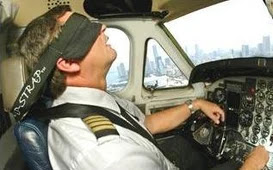
Fatigue: can be described as the body’s natural reaction to prolonged mental and physical activity.
Common
Error: Failure to
track, and set limits on worked hours, overtime, and time spent performing a
specific task.
Example:
The airport authority utilizes a contracted snow removal company to haul snow
that is collected in the terminal areas. All of the drivers of the who haul the
snow possess a CDL. Since the work is performed on private roads, the snow
company does not consider any time spent freelance driving performing CDL work.
Some drivers will be over the 16-hour limit before the end of the shift.
Control
Measure: Track the time spent on the clock and
performing tasks. For regulated work such as CDL truck drivers this is a matter
of legal obligation. Rotate assignments and provide sufficient rest and break
periods for the work being performed.
Lack of Communication: can be described as not providing the minimum amount of information

Common
Error: Failure to report field conditions and surface
statuses to team members at shift change times.
Example:
An airport operations dispatcher is five minutes away from the end of shift.
The relief worker is usually on site prior to this time and ready to receive a
pre shift briefing. Four minutes before shift change, a biz-jet slips off the
taxiway and becomes stuck on the west side of the airfield. Since the
dispatcher will now be late for a after work affair, the pre shift briefing is
skipped.
Control
Measure: Exhaust all channels of communication
available to pass along crucial information during shift changes. This can
include dashboards, e-mails, SMS text, and etc.
Complacency: can be described as a situational feeling associated with performing routine tasks. Complacency has the opposite effect of stress.

Common Error: Failure to rotate jobs assignments or performing a task the exact same way for extended periods of time.
Example:
A construction safety supervisor performs the same sweeper escort 15 times per
shift following the same route. While leading the sweeper machine down the
taxiway the safety supervisor does not realize the airport is in a east west
operation due to prevailing wind conditions. The construction supervisor
inadvertently cuts off a 737 taxing to the gate.
Control
Measure: Develop different procedures to perform
the same task. Small changes to performing task can make all the difference in
assuring workers remain alert. This includes inspections, escorts, surface
re-opening procedures.
Lack of Knowledge: can be described as not being provided or possessing the required skills, information, and understanding to perform a specific task.

Common
Error: Providing workers with incomplete, inadequate, or
improper on the job training. Also hiring individual who do not meet the
minimum experience and educational requirements.
Example:
The senior VP of personnel has hired his family friend to manage the airport
safety department. The individual comes from the process quality world and has
limited occupational and airside safety experience. Due to a lack of
understanding the manager does not respond promptly to employee safety
complaints. The workers become frustrated and start to make complaints with
OSHA and the FAA.
Control
Measure: Consistently perform training needs
assessments and follow up as a form of continuous improvement. Only hire
individuals who meet the minimum qualifications to perform sensitive job
functions.
Distraction:
can
be described as anything that draws a worker’s attention away from the task at
hand.

Example:
An airport operations specialist is performing the daily field inspection on
the runway. The specialist has both the vehicles FM/AM radio and the FAA tower
radio tuned to the proper frequency and the volume is turned up. While stopping
to remove FOD the specialist does not hear the Tower controller request the
vehicle exit the runway immediately and hold short at the nearest intersection.
The specialist continues with the inspection.
Control Measure: Limit distractions by elimination, or substitution of all sources of unnecessary noise, and visual ques. This includes multiple radios channels, cell phones, and other media devices. Communication policies also help alleviate unnecessary noise in cabs of vehicles.
Lack of Teamwork: can be described as a lack of cooperation between team members.

Example:
Two airline wing walkers and one tug driver are pushing back an aircraft from
the gate. Once in the alley way the wing walkers disconnect the aircraft and
give the signal to taxi to the pilot. While transitioning across the zipper
roadway the push back driver does not stop and wait for the wing walkers to
transition the zipper. Traffic resumes and one of the wing walkers is struck by
a tug.
Control
Measure: Communicate each team members role, and responsibility,
and successful outcome to all members of the team. Quickly resolve individual
grievances and complaints.
Lack of Resources: can be described as not possessing the tools and equipment to complete a job function successfully and safely.

Common
Error: Failure to repair or replace old tools, parts,
and vehicles.
Example:
A airport electrician reports to his foreman that the steering on in his work
vehicle feels sloppy and is making weird noises. The foreman responds that its
not a big deal and to get to work. While on the last 10 minutes of a scheduled
runway closure, the vehicle breaks down on the centerline of the runway losing
the front passenger wheel in the process. A tow truck has to escorted out to
the runway and the reopening is delayed.
Control
Measure: Perform necessary inspections and
promptly repair and replace damage found. Keep a inventory list of items and
update stock as necessary.
Lack of Assertiveness: can be described as a worker’s inability to communicate vital information.
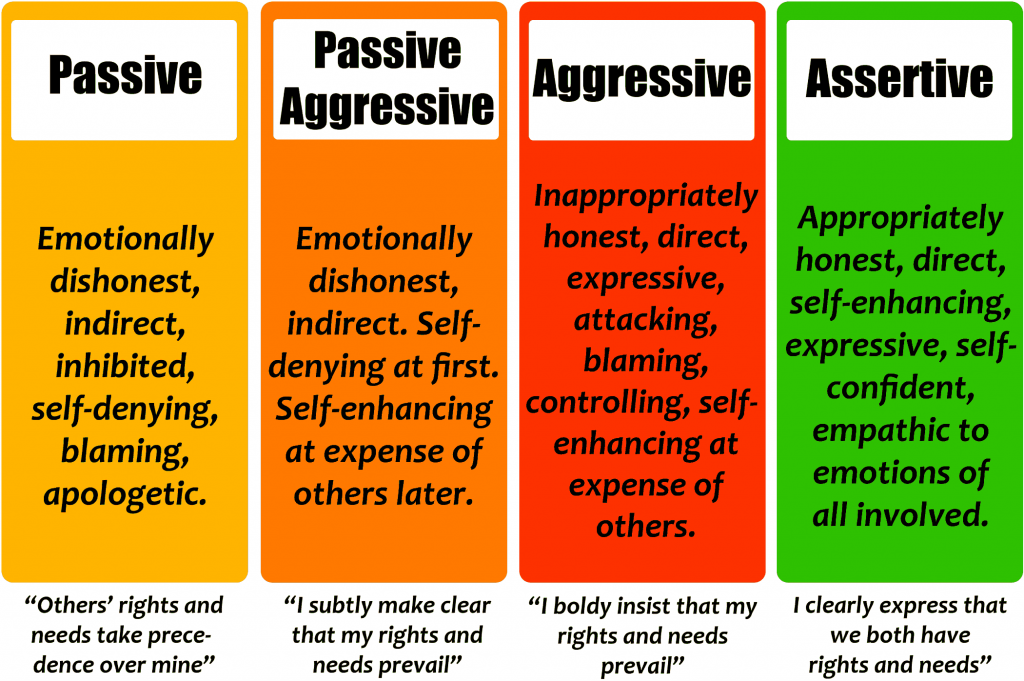
This can be tied to Lack of Communication and Lack of Teamwork.
Common
Error: Failure to empower employees, or creating a
situation where employees feel ignored or neglected.
Example:
An airport safety manager identifies a risky work behavior by inhouse
contractors who perform work in closed sections of the movement areas. The
safety manager is told to stay in your lane by airfield management. The safety
manager now ignores any risk observed on the AOA and exclusively focuses on non-airfield
related tasks.
Control
Measure: Create a culture that invites feedback from
all employees. Acknowledging those who have concerns wither invalid or accurate
makes all team members fell included and a part of the team.
Lack of Awareness: can be described as a lack of key facts (information) that involve the completion of a project but are not necessarily directly related to a worker’s responsibilities. Not to be

Common
Error: Fostering barriers to communication, or a lack of
inclusion.
Example:
Airside operations shift manager has been given the task of assisting a
contractor with staging and setting up an airfield closure on midnights. The
senior airside manager attended the planning meetings but did not give specific
details of the planning meetings to the shift manager. While onsite the shift
manager prohibits the contractor from taking actions that the senior manager
approved. The closure and work are now delayed.
Control
Measure: Create a culture of inclusion. Involve employees
who have responsibilities in the project’s successful completion. It may be a
good idea to have some of the lower-level employees participate in planning
meetings, as they have insight on how the work is performed in the field.
Norms:
can
be described as “but we always did it this way”.

Example:
An airport construction project manager is working with field maintenance managers
and managers of the construction team. While closing portions of the movement
area for renovations the project manager and maintenance manager agree to weigh
down the low-profile barricades with sandbags. During a windy day one of the sandbags
becomes open and the sand is ingested into the engines of a plane taxing near
the construction area.
Control Measure: Initiate a review process for all work performed on the airfield starting with the tasks that are determined to be of the highest risk. Implement improvements and follow-up. Wash, rinse, repeat!! a higher-than-normal expectation of work performance. Stress can cause pressure on workers.
Can you identify how the Dirty Dozen has negatively impacted your airport operation? If so, please share your experience!
Of the Dirty Dozen factors which do you think has the potential to create the highest level of risk?
 |
| https://airportsmstalk.blogspot.com/ |


